- Closed Today
- Ticket
- Shop
- Membership
- TR EN

WHAT A PAIR
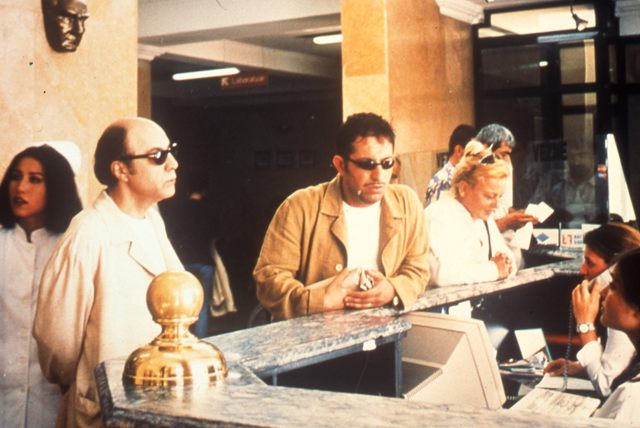
SOMERSAULT IN A COFFIN (TABUTTA RÖVAŞATA), 1996
Turkiye | 35mm, Colour, 74’ | Turkish
Director:Derviş Zaim
Cast: Tuncel Kurtiz, Ahmet Uğurlu, Ayşen Aydemir, Fuat Onan, Şerif Erol, Hasan Uzma
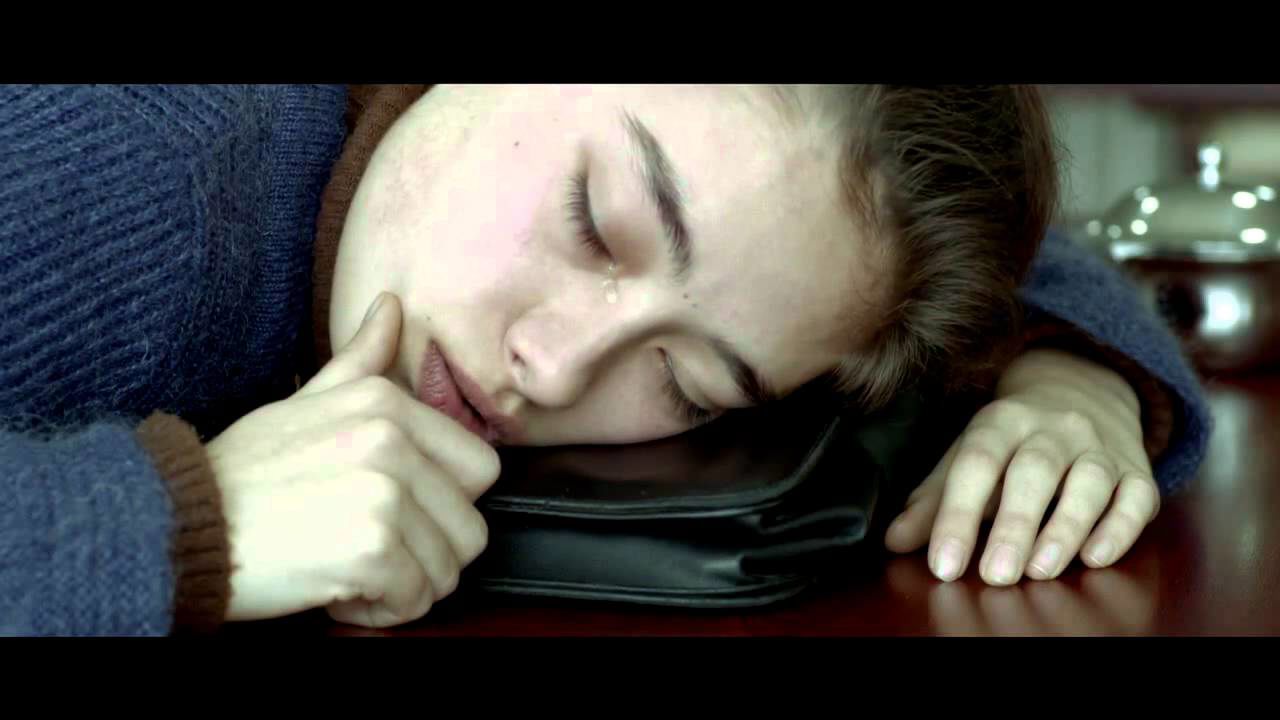
SOMEWHERE IN BETWEEN (ARAF) , 2012
Turkiye, Germany, France | DCP, Colour, 124’ | Turkish
Director: Yeşim Ustaoğlu
Cast: Özcan Deniz, Nihal Yalçın, Neslihan Atagül, Barış Hacıhan, Ilgaz Kocatürk, Can Başak
In the 90s, the chaotic universe that we had been living was like out of its final hinges. Unaccounted for murders and politicians in the centre of corruption were happily imposing their promise for “a car and a house.” Polarisation was unnecessary (see the collapse of the USSR!) and our freshly established private TVs advised us that we could overcome our lack of idealism with sportsmagazine and jolly singing. Somersault in A Coffin is a breaking point for our cinema with its in-betweenness, and detection of not belonging. Derviş Zaim was a pioneer of “guerrilla filmmaking with friends,” and had raised the “poor man in the neighbourhood” on a pedestal as the most marginal main character. Uncompromising of his humanity even though he’s been living like a hobo, Mahsun (Ahmet Uğurlu) was just borrowing a place to stay warm, a “one night comfort” when he was stealing a car. He stepped out of the Yeşilçam nostalgia by stepping out of the “mainstream order”. Getting in trouble as long as he’d stick to his own book, Mahsun’s state of immobility turns up once more in Somewhere in Between’s unbeatable destiny of the people of Turkey. Dreaming of a different future, Zehra (Neslihan Atagül) works at a resting stop on a trans-city highway–like a punishment of waiting between the two realms. The characters are obviously indications of the fears and anxieties that ail “modern” Turkey. Mahsun’s beloved Bosphorus neighbourhood is no different from Zehra’s smokey, tiny town, anyway. With the open air landscapes fixed on twilight, both films are examples of similar confinement and immobility. Reinforcing this emotion is the fact that the objects of desire are “about to leave.” A giant phallic truck dissipates Zehra’s, and a prickly syringe scatters Mahsun’s dreams of change, their circle of poverty and deprivation tightens. Escaping our little circle is possible neither through love nor through marginalism. At least Mahsun had gone completely insane and the hotdog commercial became the most ironic ending. The final hinge perhaps had gone off, and the proof was Zehra, succumbing to her fate, and marrying in a TV show. -Esin Küçüktepepınar