- Closed Today
- Ticket
- Shop
- Membership
- TR EN

WHAT A PAIR
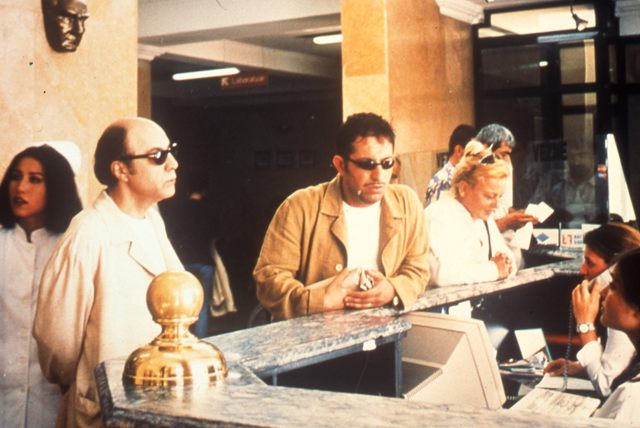
THE WELL (KUYU), 1968
Turkiye | DigiBeta, B&W, 86’ | Turkish
Director: Metin Erksan
Cast: Hayati Hamzaoğlu, Nil Göncü, Demir Karahan, Aliye Rona, Osman Alyanak, T.Fikret Uçak
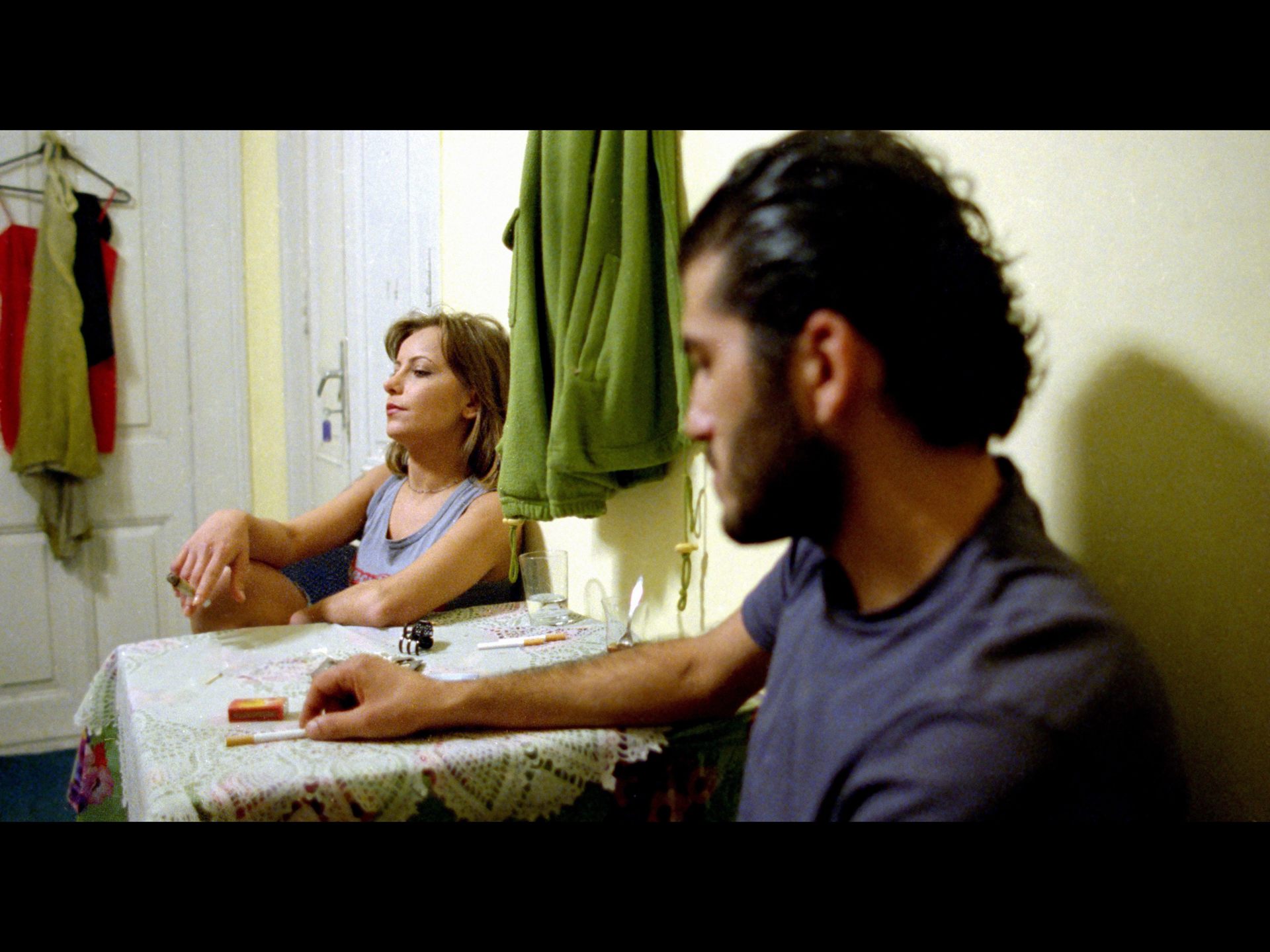
DESTINY (KADER), 2006
Turkiye | 35mm, Colour, 104’ | Turkish
Director: Zeki Demirkurbuz
Cast: Vildan Atasever, Ufuk Bayraktar, Müge Ulusoy, Engin Akyürek, Ozan Bilen, Settar Tandıöğen, Erkan Can
The history of Yeşilçam is full of impossible love stories. “Lovers” can’t unite, because there are villains, unforgiving customs, and sometimes pride, which they say is a no-no in love, standing between them… These films harbour the dream of a utopian world where an endless love and respect will co-exist if destiny lets it.Kuyu / The Well and Kader / Destiny are films in which love breaks away from this innocence, and feelings that stem from pure appeal/interest/desire become an obsessive state of “ownership”, and unrequital produces evil. Both films take place in a crushing reality, away from the heart-tugging romantic melancholia of Yeşilçam melodramas. One important difference is that in Demirkubuz’ Destiny, unrequited love is lived as self-destruction, whereas in Erksan’s The Well it emerges as destruction of the object of affection. In The Well, Osman (Hayati Hamzaoğlu) is in love with his fellow villager Fatma (Nil Göncü). What Fatma feels about this is of no concern for him. The only thing that matters to him is his irresistible desire. He kidnaps Fatma, goes to jail for it, and his third attempt in forced compliance culminates in a tragic finale for both of them because of the young girl’s fatal revolt. Destiny’s hopeless lover Bekir (Ufuk Bayraktar) is better than Osman in assuming responsibility of his feelings. Instead of completely disregarding the psyche of the woman he wants to win over, he disregards himself, wasting his life in cheap night clubs and hotels stalking Uğur (Vildan Atasever) who never gave him any hope and is in love with another man–of course not without giving her a guilty conscience. His life before Uğur was merely constituted of chronic numbness, working a job he didn’t like, and being a husband to a woman he didn’t love. In this perspective, the film sees a “hopeless hope” for a “meaningful” life in Bekir’s self-imposed destruction. Unhappiness becomes the price of searching for meaning. In The Well there’s not a trace of this dark romanticism since Osman won’t accept unhappiness… -Yeşim Tabak