- Closed Today
- Ticket
- Shop
- Membership
- TR EN

WHAT A PAIR
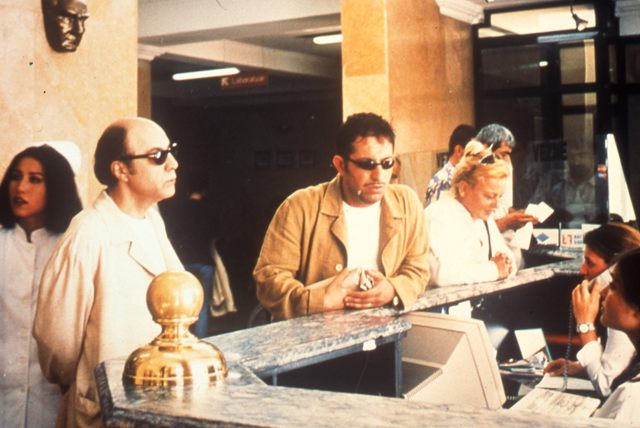
THE KING OF STREETSWEEPERS (ÇÖPÇÜLER KRALI), 1977
Turkiye | Betacam, Colour, 90’ | Turkish
Director: Zeki Ökten
Cast: Kemal Sunal, Şener Şen, Ayşen Gruda, Erdal Özyağcılar
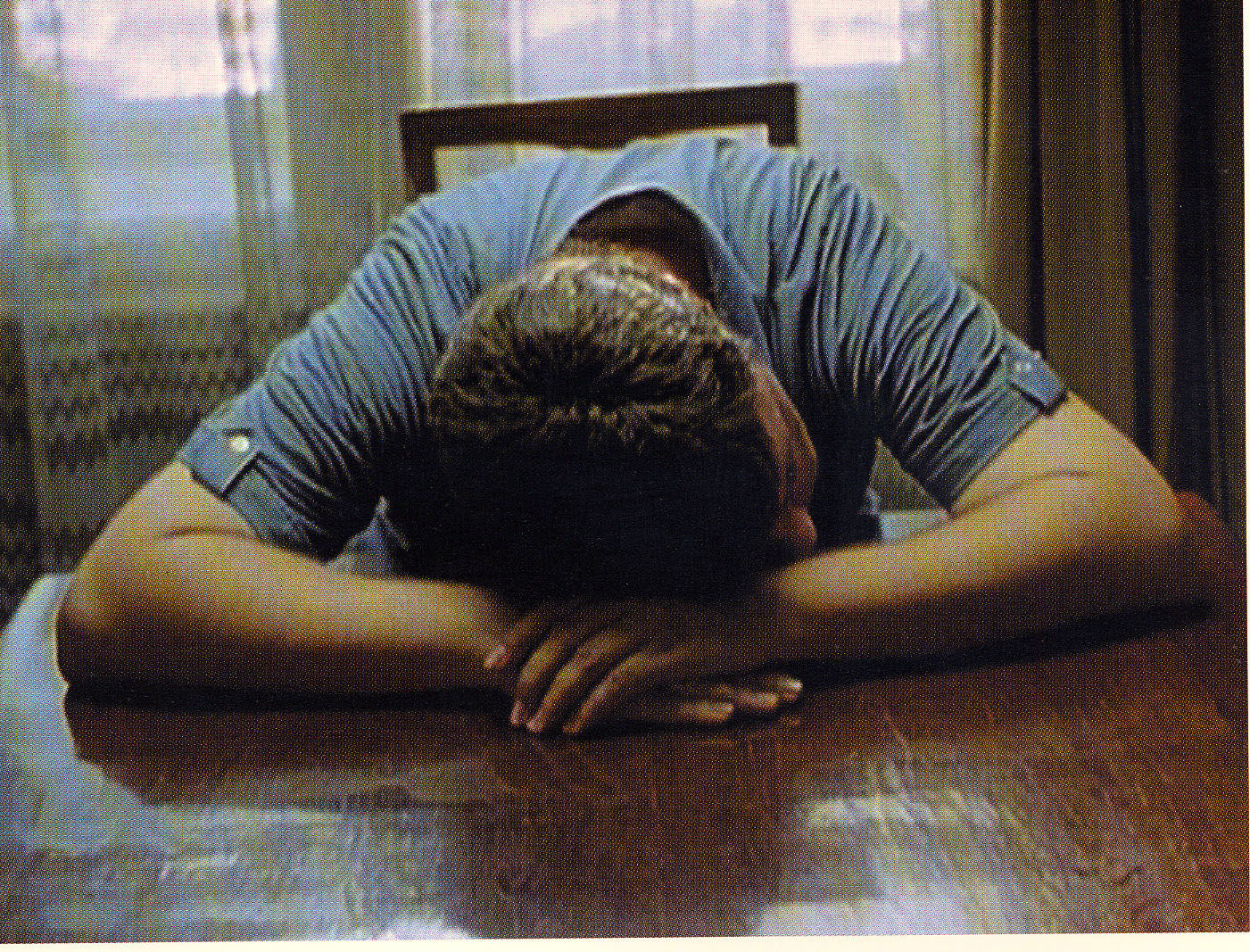
MOMMY, I’M SCARED (KORKUYORUM ANNE), 2004
Turkiye | Digibeta, Colour, 126’ | Turkish
Director: Reha Erdem
Cast: Ali Düşenkalkar, Işıl Yücesoy, Köksal Engür, Şenay Gürler
The old school neighbourhood life of Istanbul represents some kind of a “semi-open commune”: to where strangers don’t ever happen on; whose residents travel to more chaotic and open-to-uncertainty centres of the city to work, shop or stroll around, but they are eventually social units where a closed-circuit life is lead. The concept of neighbourhood, which increasingly plunges into nostalgia thanks to rapid transformation of the city, both protects and limits the individual with the community mentality it offers: On one side is the warm neighbour relations people yearn for, on the other is the “neighbourhood pressure” that comes as the “price” of this very same warmth. Zeki Ökten’s Çöpçüler Kralı and Reha Erdem’s Mommy, I'm Scared are amongst films which depict “old Istanbul neighbourhood” in thorough detail. As a product of late ‘70s, Çöpçüler Kralı puts social issues at its centre in accordance with the spirit of the era. The overriding theme in the film is rural to urban immigration. Janitors, street vendors, cleaners, and garbage men who represent the lowest class of municipal employees… They are the new residents of the city. The “masters” live in apartment buildings. Though, they don’t seem to be much attuned to the culture of the big city. Yet, they have no qualms about proceeding with aristocratic arrogance and bossiness. The municipal police officer, who is proud of being a government employee yet is a complete “mother’s boy” in his private life, acts like he is the administrator of the neighbourhood. There’s only one thing that determines the direction of romantic relations: The social status which is on shaky ground. Unlike Çöpçüler Kralı, which is a realistic reflection of its time, Mommy, I'm Scared is a nostalgic depiction of colourful neighbourhood culture which was about to disappear at the time it was filmed in 2004. Everything’s fine on the surface; there’s no need to be “afraid” because family members and neighbours are all helping each other. As a matter of fact, social classes are unimportant. But underneath, the existence of a social system–disguised as protectionism–which hinders the formation of the individual, who is shaped through family ties and crucial for a healthy commune, is detectable. -Yeşim Tabak