- Closed Today
- Ticket
- Shop
- Membership
- TR EN

WHAT A PAIR
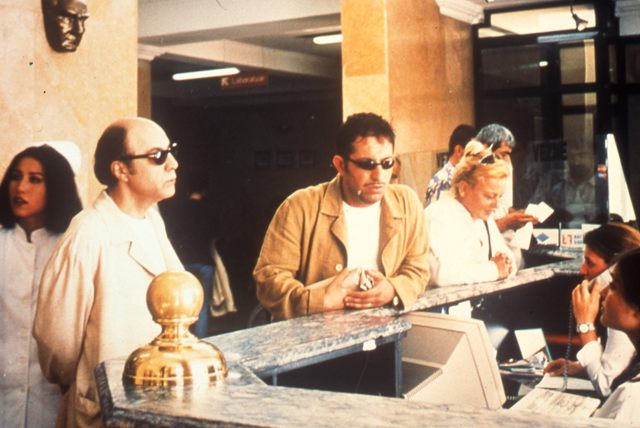
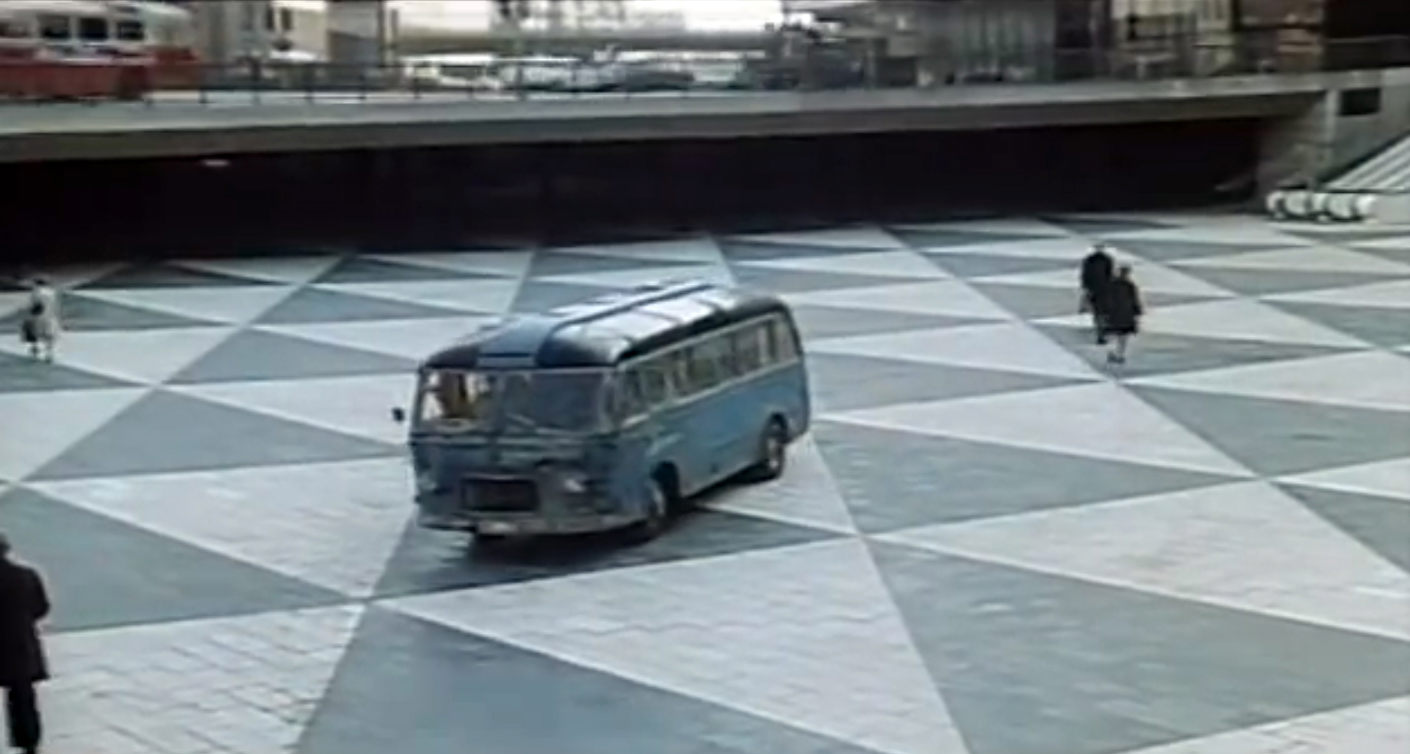
THE BUS (OTOBÜS), 1976
Turkiye | HDD, Colour, 91’ | Turkish
Director: Tunç Okan
Cast: Tuncel Kurtiz, Tunç Okan, Aras Ören, Hasan Gül
THE PHOTOGRAPH (FOTOĞRAF), 2001
Turkiye | Betacam, Colour, 66’ | Turkish
Director: Kazım Öz
Cast: Feyyaz Duman, Nazmi Kırık, Mizgin Kapazan, Muhlis Asan
A busload of men with thick mustaches, wearing their only jackets and shoes, their last pennies in their pockets and holding on to many hopes, pose for the camera as they stand in front of the bus at the rest stop. The scamming driver, who is about to drop the poor wretches in the middle of Stockholm penniless and without passports, can’t get enough of talking about his camera: “Look at this machine! It’s the latest American invention. Press the button and receive the picture. I love civilization…” It’s worth noting that a very similar praise for Western technology exists in Fotoğraf as well. Although, their stories are about very different roads, they have more in common than meets the eye. The buses are men’s domain. The trip is a men’s trip. They curiously watch erotic films and talk about the importance of not indulging women. Men in uniforms stop them and ask for their papers. They interfere with where they can go and where they can stop. Are they at a place where they don’t belong? Where do they belong to? In Otobüs the trip is to the West, to Europe. The bus in Fotoğraf goes to the East, to Kurdistan. The uncertainties, expectations, hopes, dreams, and fears are completely different yet very much alike. The poor men of Otobüs probably have their concerns as they leave their villages for the first time, hoping they will be saved once they make it to Europe, but the worse is yet to come.
Two of the young men sitting next to each other on Fotoğraf’s bus don’t mention that one is going to join the military and the other to the guerilla. Even though they don’t know what awaits them, at least they believe in the road they take. One can know things even when he doesn’t, and the road creates sympathy. These films portray two stark and equally striking journeys. The look of realisation that appears on the faces of young men, who shoot at each other, when they figure out that they are both tarred with the same brush is unforgettable, so is the expression on the faces who are lost while running from the police in a city with grand squares and blonde people. Fight for bread and problem of identity are the two unrepairable malfunctions of the “bus” we call the Republic. Contemplating Otobüs together with Fotoğraf could be a promising journey. -Çağdaş Günerbüyük